













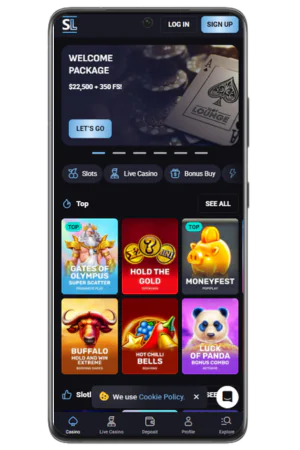
SlotLounge App Setup For Australia

This 2026 mobile walkthrough explains setup, sign-in flow, payments, and limit tools for Australian players who prefer phones.

Fortune Gems 2 Slot

Table of Contents

  • The Dog House Megaways Slot
  • Lucky Joker 10 Extra Gifts Slot
  • Sword of Ares Slot
  • Floating Dragon Hold & Spin Slot
  • Leprechaun Riches Slot
  • Fruit Cocktail Slot
  • The Dog House Megaways Slot
  • Sword of Ares Slot
  • Fruit Million Slot
  • The Dog House Megaways Slot
  • Big Fisherman Slot
  • Big Fisherman Slot
  • Seven Books Unlimited Slot
  • SlotLounge Fortune Slot
  • Sword of Ares Slot
  • Floating Dragon Hold & Spin Slot
  • 9 Mad Hats Slot
  • Floating Dragon Hold & Spin Slot
  • Big Bass Splash Slot
App 1

Install And First Launch Basics

The smoothest mobile experience starts before you even open the lobby. If you download in a rush, skip permissions, and then wonder why the screen keeps refreshing, you end up blaming the platform for what is really a messy device setup. Picture the moment: you are on mobile data, battery low, notifications popping, and you try to complete three steps at once. Slow down for one clean minute and most “bugs” disappear.

Begin with a simple rule: use one device for the first run, and finish the initial setup in one sitting. Many players start on a phone, switch to a tablet because the screen is bigger, then return to the phone and get stuck in a loop because the session changed. It feels random, but it is just a broken chain of steps.

After install, open the application and let it fully load once. Do not tap through pop-ups as if they are ads. Those prompts often control the things players later complain about: confirmations, notifications, and whether the app stays signed in.

One more habit that pays off in 2026: keep your operating system updated. It is not about chasing the newest version for fun. It is about avoiding compatibility issues that show up as slow loading, freezing screens, or buttons that do not respond.

Storage, Updates, And Device Cleanliness

Phones get cluttered quietly. Imagine you have dozens of apps open in the background, storage almost full, and you try to load a game lobby with heavy graphics. The phone starts closing things behind your back, then the casino screen reloads, and you think the platform logged you out. It did not - your device simply ran out of room to keep the session stable.

Free some storage, close background apps, and restart your phone if you have not done it in days. It is boring, but it gives the app a clean runway. You will feel the difference in loading speed and fewer random refreshes.

If you update the app, open it once after updating and let it settle. Players often update and immediately try to deposit, then something looks different and they panic. Give yourself thirty seconds to explore the menus again and confirm you know where history and settings live.

Permissions Without Oversharing

Permissions are a balance. Picture a player who taps “allow everything” just to remove pop-ups, then later regrets it when notifications flash on a lock screen in public. The safer approach is to allow only what you actually use and adjust later if needed.

Notifications are useful for security prompts and transaction status, but you can still keep them private. Choose settings that do not reveal sensitive content on the lock screen, especially if you use your phone around other people.

Location permissions are another area where people rush. If the app requests location access, pause and decide whether it is necessary for your experience. You can often continue without granting extra access, and you can always revisit permissions in your device settings if something genuinely requires it.
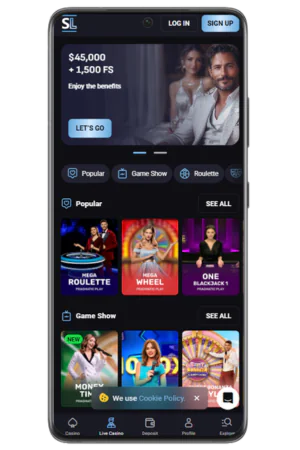
application 2

Account Creation And Adult Access Checks

SlotLounge is available in Australia for eligible adults, and that means account creation usually includes steps designed to confirm ownership and protect access. Imagine you register quickly during a break, then later try to cash out and discover your profile details are incomplete. The frustration is not the check itself - it is the timing. Do the groundwork early, while you are calm.

Keep your first login simple: one device, one account, one consistent set of details. If you create multiple accounts by accident or mix contact details, you invite delays and extra verification. This is where many “support horror stories” start, not because the platform is unfair, but because the user created a confusing trail.

Treat adult access checks as routine. The platform should work within applicable rules and its own terms, and your goal is to provide clear, readable information once rather than sending rushed attempts that trigger more back-and-forth.

Profile Details That Prevent Delays

Small typos cause big headaches. Picture the common mistake: a player types their email fast, one character is off, then they cannot receive confirmation messages. They keep trying to log in, keep requesting codes, and nothing arrives. The fix would have been a ten-second review on day one.

Fill in your profile carefully, then check it once before you deposit. If the platform asks for additional confirmation, follow the instructions exactly and keep your photos or documents clear and well-lit. Blurry uploads feel “good enough” in the moment, then they come back as a rejection later.

Also, pick a recovery method you can actually access. If you use an old inbox you never open, you are setting a trap for your future self. When something goes wrong, recovery speed depends on the contact channel you chose, not on how annoyed you feel.

Navigating The Lobby On Mobile

A mobile lobby is designed to keep you browsing, and browsing can quietly eat your session. Imagine you open the app with a plan to play ten minutes, but you spend eight minutes scrolling because everything looks new. You feel behind, so you raise stakes to “make it worth it.” That is how a simple session becomes messy.

App 3

Use a fast filter instead of endless scrolling. Pick one category, open one game, and commit to a short block before switching. If you like variety, make a short list of favorites and rotate between those instead of hunting for something “perfect” every time.

Watch for the moment you start clicking faster. Speed often means you are not enjoying the decision-making anymore. That is a cue to pause, take a breath, and choose intentionally, not reactively.

Payments On A Small Screen: Deposits And Cashouts

Payments are where players become most sensitive, and mobile adds extra friction: tiny buttons, app switching, and confirmation prompts that expire if you look away. Picture this: you are half distracted, you submit a deposit, a verification prompt pops up, and you switch apps to answer a message. You come back and the screen refreshed, so you submit again. Now you are worried about double charges. The stress is avoidable if you treat payments as a focused task.

Start with a simple environment rule: handle deposits and withdrawals only when your connection is stable and you can give it one uninterrupted minute. No multitasking, no rapid taps, no switching devices mid-step. It sounds strict, but it prevents the most common mistakes.

Before you add funds, decide your session budget. Not a vague “I will be careful” promise, but a real number you can afford to lose as entertainment. Then set a time limit. These two limits work together: money prevents overspending, time prevents the late-night spiral.

After you deposit, immediately check your transaction history. Do not rely only on the balance changing, because balances can update after a short delay. The history screen is your anchor: it shows what was requested, what is pending, and what is completed.

Withdrawals work best when your profile is complete and your payment route is consistent. Many players only discover this after a good win, when emotions are high. Imagine you finally hit a result that feels meaningful, then you are asked to confirm details you ignored earlier. The platform is not “stealing,” it is following a process. The smart move is finishing checks before the big moment.

Processing speed can vary depending on method type and whether additional ownership checks are triggered. If a request is marked as processing, avoid canceling and resubmitting repeatedly. One clean request is easier to track and easier for support to resolve if something needs clarification.

Here is a practical mobile-focused table you can use to keep payments and control tools organized without guessing:

Task On Mobile

What To Check First

What Often Trips Players Up

Quick Habit That Helps

Add funds

Stable connection and correct details

App switching during confirmations

One uninterrupted minute for payment

Review deposit status

Transaction history screen

Relying on balance only

Check history right after submitting

Request a withdrawal

Profile readiness and method consistency

Missing account confirmations

Complete checks before cashing out

Track a cashout

Status labels and timestamps in history

Canceling and resubmitting

Submit once, monitor calmly

Stay in control

Limits, reminders, break tools

Setting limits after emotions rise

Set limits before your first spin

Deposits Without Double Charges

Most double-charge fear comes from unclear confirmation. Picture a player who taps submit, sees a spinner, gets impatient, and taps submit again. They do not realize the first request already went through. The fix is simple: submit once, then wait and check history, not the button.

If you do not see a clear result, do not keep trying different methods immediately. First, check your connection and refresh the history screen. Then decide your next action. Rapid method switching creates a messy trail that is harder to explain and harder for support to untangle.

A calm deposit routine looks like this: pick method, confirm amount, complete the prompt, then verify in history. Once it becomes habit, it feels quick because you stop second-guessing.

Withdrawals And Status Tracking

Withdrawals feel personal because they represent a result you want to keep. Imagine you request a cashout and then refresh the screen every thirty seconds. Your anxiety rises, and you start changing settings “just in case,” which can create new prompts and more delay. The better approach is patience with structure: one request, status check at reasonable intervals, and action only when a clear next step appears.

Keep notes if you are the type who forgets details. Write down the method type you used and the status you last saw. It sounds unnecessary until you contact support and realize you cannot explain what changed. Clarity speeds everything up.

If you ever need to follow up, do not write a long emotional message. Send a short report: device type, method type, current status label, and what you already tried. Support is more likely to respond with a concrete next step when your message is easy to parse.

Method Consistency And Verification

Consistency is a quiet superpower. Picture a player who deposits using one route, then tries to withdraw through another because it seems faster. They are surprised when additional prompts appear. That is not always a “problem,” but it is additional friction that you can avoid by staying consistent.

Verification steps are part of adult-only access, and they work best when you do them early. If you leave them for later, you create a stressful situation where a normal check feels like a block. Handle confirmations when you are calm, with good lighting and clear images, and you reduce the chance of repeated requests.

If something is rejected, do not resend the same blurry upload. Fix the reason. Improve clarity, remove glare, and follow the instructions exactly. People often lose time because they keep repeating the same mistake with more frustration each time.

Security, Limits, And Responsible Play Tools

Mobile gambling can feel effortless, which is both the point and the risk. Imagine you are lying on the couch, half tired, and spins keep happening because it takes zero effort to continue. That is where limit tools matter. They protect your future mood from your current impulse.

Start with device security: strong lock screen, private phone, and no saved passwords on shared devices. Then use in-app controls: deposit limits, loss limits, session timers, and breaks. These tools are not punishment. They are structure.

In 2026, the healthiest players treat limits as part of setup, like adjusting a seat before driving. If you set limits only after you feel tilted, you are asking your emotional brain to make rational decisions, and that rarely ends well.

Timeout And Self-Exclusion Habits

Timeouts are for short resets. Picture the moment you feel irritated, click faster, and stop enjoying the game. That is your signal. A short break often resets your decision-making better than “one more spin” ever will.

Self-exclusion is for firm distance when you want it. If you notice a pattern of late-night sessions that you regret the next day, use a longer break option and let it do the work. The goal is not to prove willpower. The goal is to protect your routine.

Make one personal rule and keep it simple: if you feel pressure to chase losses, you stop. Pressure is the fastest route to impulsive stakes and regret.

Notifications And Privacy On The Go

Privacy matters more on phones because your screen is often visible to others. Imagine you are in public, a notification pops up, and it reveals more than you wanted. Adjust lock-screen notifications so they stay generic.

If you share your device with anyone, treat it as shared all the time, not “shared sometimes.” Log out after sessions and avoid saving credentials. Small habits prevent accidental access, and accidental access creates the worst kind of stress.

Also, avoid playing when your attention is split. Mobile makes it easy to gamble while doing other things, but distracted play is where people misclick amounts and chase out of frustration.

Support And Troubleshooting In 2026

Good support is not magic. It is a clean problem description and a willingness to follow steps without improvising. Imagine you encounter a loading issue, you change five settings at once, and then you cannot tell which change mattered. You message support with a messy story, and the reply asks you to start over. That cycle wastes time.

Troubleshooting on mobile is mostly about reducing variables. One device, one browser or one app instance, stable connection, and one clean attempt. If the problem disappears in a private browsing session or after clearing cached data, you just proved the issue was local.

When an issue persists, do not keep repeating the same action. Repeated failures can trigger protective friction and make the experience worse. Switch to a structured approach: identify the category (login, loading, payment prompt, verification) and take the appropriate next step.

Common Mobile Issues And Quick Fixes

The classic issues are familiar: blank screens, endless loading, and sudden logouts. Picture you tap into a game, it loads halfway, then throws you back to the lobby. Before you assume the platform is broken, check the simplest causes: weak signal, low storage, too many background apps, and outdated software.

A clean restart helps more than you expect: close the app fully, restart your phone, reopen, and try again. If you are using a browser, clear site data and try one attempt in a private window. Do not do ten fixes at once. One change, one test, one result.

If you see a prompt that expires, stop switching apps. Complete the prompt first, then return. Many failures happen because people treat confirmations like notifications they can ignore and return to later.

Writing A Support Message That Gets Answers

Support teams respond faster when you give them something they can act on. Imagine you send “it doesn’t work,” and the reply asks for device, version, and status. Now you are in a slow Q and A loop. Instead, send a short report from the start.

Include: device type, connection type (Wi-Fi or mobile data), what you tried, what you see now, and any exact error wording. Keep it factual. Avoid guessing the cause and avoid threats or sarcasm. You are trying to get a fix, not win an argument.

If you need to share an image, keep it clean. Do not include sensitive information. You can usually describe status labels in text and get the same help with less risk.

FAQ

Open the application once and let it fully load, then locate settings, history, and limit tools before you play. Imagine you rush straight into a game and later cannot find your transaction status or support. A calm first run prevents that. Close background apps, ensure you have free storage, and update your device software if it is outdated. Treat the first launch like setup, not entertainment.

Submit once, then confirm in transaction history instead of watching the balance and guessing. Picture a spinner that makes you impatient, so you tap again and create two requests. The safer habit is one uninterrupted minute for payment steps, no app switching, and a quick history check right after. If something looks unclear, pause and review status instead of changing methods immediately.

Adult-only access often involves ownership checks, and some actions trigger them more than others. Imagine you request a cashout after changing profile details or switching payment routes. Extra prompts can appear because the system needs consistency. Complete checks early when you are calm, keep your details consistent, and avoid canceling and resubmitting repeatedly. One clean request is easier to track and resolve.

Set a session timer and a budget before your first spin, then treat both as final. Imagine you tell yourself you will stop after ten minutes, but you keep going because it is easy on mobile. A timer breaks the trance. Use deposit limits and break tools proactively, not when you are already irritated. If you feel pressure to chase losses, take a timeout immediately.

Keep lock-screen notifications generic, use a strong device lock, and avoid saving passwords on shared devices. Picture a notification popping up in public with more detail than you wanted. Adjust your settings before that happens. Log out after sessions if anyone else might use your phone, and avoid multitasking during payment prompts so you do not misclick.

Reduce variables and test one change at a time. Imagine you change five settings, restart twice, and still do not know what helped. Instead, close the app fully, restart your device, and try again on a stable connection. If you use a browser, clear site data and try a private window once. If the issue repeats across devices, contact support with a short factual report.

Send your device type, connection type, the exact step where it fails, and any error wording you see. Imagine writing a long emotional message and then being asked the same basic questions anyway. A short report prevents delays. Mention what you already tried, keep it factual, and avoid sharing sensitive personal details. Clear inputs lead to clearer next steps.