













SlotLounge Casino Login For Australia

Adult players in Australia can access SlotLounge smoothly in 2026, handle resets, and set limits before each session.

Fortune Gems 2 Slot

Table of Contents

  • The Dog House Megaways Slot
  • Lucky Joker 10 Extra Gifts Slot
  • Sword of Ares Slot
  • Floating Dragon Hold & Spin Slot
  • Leprechaun Riches Slot
  • Fruit Cocktail Slot
  • The Dog House Megaways Slot
  • Sword of Ares Slot
  • Fruit Million Slot
  • The Dog House Megaways Slot
  • Big Fisherman Slot
  • Big Fisherman Slot
  • Seven Books Unlimited Slot
  • SlotLounge Fortune Slot
  • Sword of Ares Slot
  • Floating Dragon Hold & Spin Slot
  • 9 Mad Hats Slot
  • Floating Dragon Hold & Spin Slot
  • Big Bass Splash Slot
Login 1

SlotLounge Login: Quick Entry Checks

Access should feel boring. Picture this: you open the sign-in screen between tasks, and it asks for one extra confirmation. If you rush, you usually create the delay you are trying to avoid.

Keep one device for the attempt, close old tabs, and type your details with intent (autofill loves to insert an old address). After you get in, glance at your profile and recovery options so you are not fixing them later when you are excited or stressed.

Keep a small “post-entry sweep” as part of the routine. Imagine you finally get in after a couple of tries, your pulse is up, and you want to jump straight into play to “make the time back.” Instead, open the limits menu, confirm your session cap, and check that your history screen loads. Those three clicks tell you the account is stable and they also slow you down in a good way.

When something fails, change one variable at a time. A private browsing window is a clean test that can tell you whether the issue is session data or your credentials. If it works there, you have a practical clue and you did not touch your account settings.

Security First: Devices, Sessions, And Clean Exits

Imagine you sign in on your phone, then later open a laptop and see you are still active somewhere else. That can trigger prompts at the worst time. Pick one “main” device per session and close the rest.

Avoid saving passwords on shared machines. If you ever use a borrowed computer, sign out fully, close the browser, and treat that exit as part of the session. Consistency is the real security trick: stable recovery channels, a locked device, and no profile edits while you are troubleshooting.

Password And Code Habits That Prevent Loops

A lot of failures come from input, not from the account. Picture a mobile keyboard switching layout and changing one character. Delete the field, retype slowly, and avoid hidden spaces.

For codes, do not stack requests. Ask once, keep the prompt open, and use the newest code immediately. If nothing arrives, wait a minute, check filtered folders, then request a new code once - rapid retries usually make timing worse.
Login 2

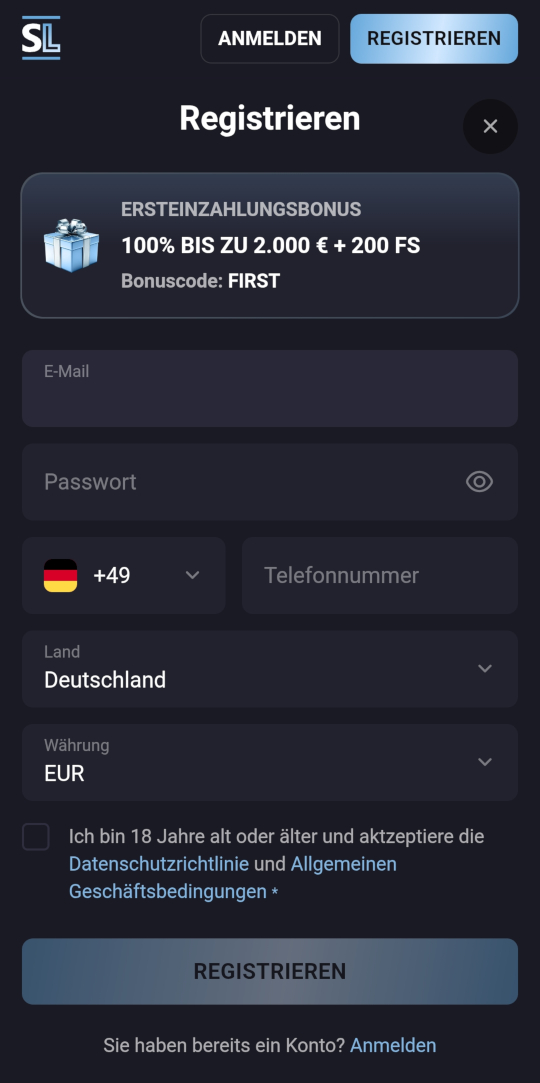
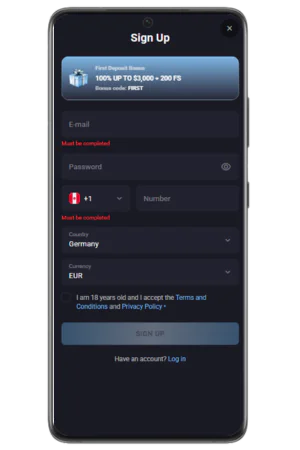
SlotLounge Login Australia: Mobile And Desktop Flow

Mobile access is fast, but it is also where people misread prompts. Imagine you are on the couch, half-distracted, and you tap through a confirmation without noticing what it asked. Keep sign-in as your only task until it finishes.

Desktop sessions often reduce mistakes because you can see the instructions clearly. If you are updating account details or completing identity checks, many players do it on a laptop for that reason alone. The best device is the one that keeps you calm and accurate.

In Australia, switching networks can trigger extra confirmations. Treat that as normal security behavior: finish the prompt on the same device, then continue, instead of bouncing between phone and desktop.

If you use mobile most of the time, build one simple safety habit: finish your session with a full sign-out, not just closing the tab. Picture leaving the browser open, handing your phone to a friend for a photo, and later realizing the account is still active. Logging out takes seconds and removes that risk.

Travel And Network Switching: Why Prompts Appear

Picture signing in at home, then later trying again from a different location and getting asked to confirm. It often means the system wants consistency, not that something is “wrong.” Use a stable connection for that step, avoid privacy tools that wipe cookies mid-flow, and complete the prompt without requesting multiple codes.

Login 3

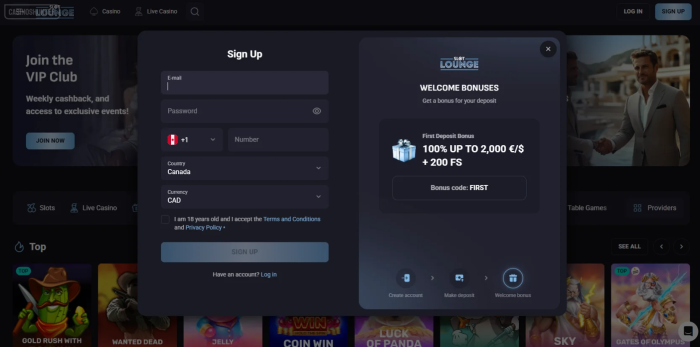
Registration, Verification, And Account Details Before Money Moves

Many players postpone verification because it feels like admin. SlotLounge is available to adult players in Australia and is meant to be used within applicable rules and age restrictions. Imagine you have a small win and want to withdraw later, but your profile details are inconsistent and you are fixing them while tense. Do the boring steps early so later actions stay boring too.

Confirm your name and date of birth are accurate, keep recovery channels current, and follow any identity prompts with clean images in good light. Avoid cropping corners and avoid resubmitting different versions in frustration. If you plan to play from Australia in 2026, stability is your friend: do not change account details while a transaction is pending.

Cashier After Access: Deposits, Cashouts, And Tracking

Money screens can flip your mood fast. Picture this: you deposit easily, play, then later you want to withdraw and suddenly every status label feels urgent. Learn the cashier when nothing is on the line.

Split your thinking into two workflows. Deposits are about budget control: one planned deposit, then you play the session you decided. Cashouts are about consistency: stable details, one clear request, and patience while statuses update.

Use your history screen like a ledger, not like a panic button. A quick check after each session keeps you grounded and prevents “Did I do that twice?” confusion.

Before you confirm any payment action, read the short notes shown next to the method you picked. Imagine you are excited and you click through, then later discover there was a required confirmation step you skipped. A twenty-second read now prevents a long support conversation later.

Account Task

What To Check First

What Usually Goes Wrong

Smoother Habit

Add funds

Budget and time window

Reloading to chase a feeling

Deposit once, then play the plan

Request a cashout

Profile details and verification status

Editing info mid-request

Keep details stable until finished

Track activity

History labels and timestamps

Refreshing every minute

Check status on a schedule

Ask for help

One clear description

Vague messages with no context

Provide steps, device, and time

Funding A Session Without Reloading

Imagine you planned a short session, you lose a bit, and the “one more top-up” thought appears. Set a firm rule before you add funds and treat the first deposit as the only deposit for that day whenever possible.

Choose stakes that fit your time window. If you burn through your budget too fast, the session becomes emotional and you start chasing. When the urge to reload hits, take a short break, then decide again with a calmer head.

Requesting A Cashout Calmly

A clean cashout is usually one clean request. Picture a player who submits, cancels, resubmits, then changes profile details “just to be safe.” Now the system has more to re-check.

Submit once, complete only the exact step asked for, and stop clicking. Check status at set intervals rather than refreshing constantly. If you need help, message support with the action you took, what you expected, and what you see now.

Reading History Like A Ledger

Imagine you finish playing and cannot remember whether you deposited once or twice. Build a two-minute ritual: open the history screen, scan the latest entries, then log out.

If something looks off, note the time and the status label and contact support with that context. Specifics solve problems faster than long messages, and they keep you from spiraling.

Responsible Play Tools For Adults In 2026

A smooth interface can make it easy to drift. Imagine you planned twenty minutes, then the next game loads instantly and your brain says “fine, one more.” That is where limits earn their keep.

Set a time boundary and a spending cap before you play. Add a cooling-off option for mood protection, especially after a win or loss. Adult-only entertainment works best when stopping is automatic, not something you negotiate while emotional.

Make the exit real: set a timer, log out when it rings, and switch to another activity immediately. Small friction after you stop is a feature, not a bug.

Timeouts And Cooling-Off: Using Breaks On Purpose

Picture the swing from “I am up” to “I need it back.” Both moods push bad decisions. Use a timeout to reset your posture and attention.

Stand up, drink water, and let the urge pass before you decide anything about stakes or deposits. If you return and still feel pulled to chase, extend the break. A longer pause is often cheaper than trying to “win back” a feeling.

Self-Exclusion And Longer Pauses When Needed

Sometimes you need more than a short break. Imagine you keep returning out of habit, even when you are not enjoying it. A longer pause can protect your time and budget.

Self-exclusion tools are practical boundaries for adults. If you use them, follow the prompts carefully and treat the pause as part of your responsible routine. You can also remove saved payment details from your device and avoid keeping the platform open in pinned tabs.

Support Conversations And Fixes That Save Your Evening

Support works best with clean information. Picture two messages: “it does not work” versus “private mode works, normal mode loops on mobile data.” The second one gets traction.

Before you reach out, try a private window, confirm your keyboard layout, and close duplicate tabs. If the issue remains, send one short note with your device type, what you tried, and the approximate time. Then wait for the reply and follow steps exactly, one at a time.

When you write to support, make it easy for them to replay your steps. Include the device type, whether you were on Wi-Fi or mobile data, and what you saw right before the issue. Imagine sending five short messages with different details - it forces the agent to guess what matters. One tidy message, then patience, usually works better.

If you feel frustration rising, stop troubleshooting and take a break. Calm eyes fix access problems faster than frantic clicking.

FAQ

Close duplicate tabs, open a private window, and type your details manually instead of relying on autofill. Imagine you keep retrying while your phone swaps networks - you can trigger repeated prompts without noticing. If private mode works, clearing site data for that browser often helps. When two clean attempts do not change anything, contact support with device type, what you tried, and the time it happened.

Treat confirmation as a single focused task. Picture requesting multiple codes, then guessing which one is valid while you bounce between apps. Request one code, keep the prompt open, and use the newest code immediately. If nothing arrives, wait a minute, check filtered folders, then request a new code once. Staying calm prevents timing mistakes.

Avoid shared devices for real-money play when you can, and never save passwords there. Imagine you sign in once, close the tab, and assume you are logged out - sessions can stay active. Use a private window, sign out fully, and close the browser. On your own device, store passwords securely and keep recovery channels current so you do not need risky workarounds later.

Network changes can look like a new location or device. Picture signing in at home, then trying again from another place and getting asked to confirm - it is often a security check. Use a stable connection for that step, finish the prompt on the same device, and avoid stacking code requests. If it keeps happening, check whether privacy tools are clearing cookies too aggressively.

Set a plan before you play: a time window, a spending cap, and a clear exit routine. Imagine you keep extending time because stopping feels awkward - a timer removes that debate. Use cooling-off breaks when your mood shifts after a win or loss, and step away if you catch yourself chasing. Adult-only entertainment stays healthier when stopping is automatic.

If you have done two clean attempts - manual entry, private window, stable connection - and the behavior is unchanged, ask for help. Imagine spending thirty minutes making random changes and getting more confused. Send one concise message describing what you expected, what happened, your device type, and the approximate time. Then wait for the response and follow steps exactly.